South Korea Misses Deadline for Stablecoin Regulation Bill

- South Korea’s FSC missed a Stablecoin bill deadline, exposing deep regulatory divisions.
- Lawmakers clash with the central bank over a bank-led Stablecoin issuance structure.
- Rising digital asset demand increases pressure for clear and timely Stablecoin rules.
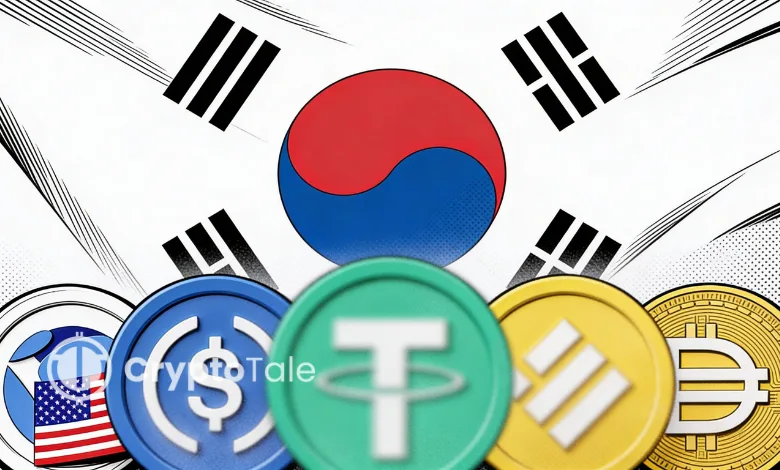
South Korea’s push to regulate Stablecoin issuance faced a setback after its top financial regulator missed a key legislative deadline. The delay exposed clear divisions among policymakers and regulators. Disagreements over issuer eligibility and oversight structure continue to stall progress. These unresolved issues now slow the country’s broader digital asset reform timeline.
The Financial Services Commission failed to submit a draft Stablecoin bill by the deadline set by the ruling Democratic Party of Korea. The regulator confirmed the delay through local media. It said further coordination with related government agencies was necessary before finalizing its position.
Policy Differences Surface After Stablecoin Deadline Miss
The missed deadline immediately drew attention within political circles. Lawmakers had been anticipating a focused proposal to help direct ongoing negotiations. But the delay underscored underlying tensions between regulators and policymakers.
Reports indicated opposition within the Democratic Party’s Digital Asset Task Force. The task force opposes the Bank of Korea’s proposal to restrict Stablecoin issuance to bank-led entities. Under the central bank’s plan, banks would need to hold at least a 51% stake in any approved Stablecoin issuer.
Members of the task force said such limits could inhibit innovation. They also stressed the need to foster competition and technological innovation. Lawmakers emphasized that Stablecoin regulation must strike a balance between safety and market access.
The Bank of Korea defended its position on the grounds of financial stability. It warned that loosely regulated Stablecoin issuance could pose systemic risks. The central bank said strong institutional control would help protect monetary policy and payment systems.
As an alternative, the Bank of Korea proposed a policy consultative body. This group would include the Ministry of Strategy and Finance, the Financial Services Commission, and the central bank. All decisions related to Stablecoin approval and oversight would require unanimous agreement.
Lawmakers acknowledged discussions around the consultative model. They confirmed talks on approval timing and regulatory coordination. Still, concerns remain over how much authority the central bank should hold.
Stablecoin Bill Timeline Extends as Market Shifts Accelerate Policy Focus
According to Newsis, the ruling party plans to present a consolidated Stablecoin bill in January 2026. This schedule could delay the government’s own proposal until early next month. The extended timeline reflects the complexity of aligning competing policy views.
The Democratic Party also plans an advisory meeting on Dec. 22. External experts and task force members would attend. The session is expected to focus on unresolved regulatory issues.
Key topics include issuer eligibility and oversight mechanisms. Lawmakers aim to narrow differences before drafting final legislation. However, party officials have signaled readiness to move independently if consensus fails.
Related: KakaoBank Advances Plans for a KRW-Backed Stablecoin
The Stablecoin debate unfolds as investor behavior in South Korea shifts. A report from KB Financial Group highlighted major changes in wealth distribution. The number of wealthy individuals has increased sharply over the past decade.
The report showed that the number of wealthy individuals rose from 130,000 in 2011 to about 476,000 in 2025. Their combined financial assets also expanded significantly. Holdings grew from KRW 1,158 trillion to KRW 3,066 trillion over the same period.
Investment preferences have also changed. Wealthy investors reduced exposure to real estate. Real estate allocations fell from 58.1% in 2012 to 54.8% in 2025.
That has coincided with an uptick in interest in virtual assets. The report continued to indicate that allocations in digital assets were growing, with a focus on Stablecoin-linked instruments. This move reflects a desire for diversification and better returns.
These developments have increased the urgency of the policy discussion. Policymakers find themselves squeezed between market expansion and investor demand. Regulations on stablecoins would likely determine the digital finance landscape of South Korea.
Participation by companies and investors would depend on regulatory clarity. At the moment, Stablecoin laws are still vague while policy dialogue is ongoing.