Barron Claims Shadow Oil as Ceasefire Eases Crypto Fear


- Diplomatic progress cooled crude and briefly restored confidence across crypto markets.
- Oil reversals revived inflation concern and weakened demand for highly risky assets.
- Barron claims sharpened the satire as panic pricing slowly yielded to wary calm.
The U.S. and Iran held indirect talks to extend a fragile two-week ceasefire. The talks affected oil prices and shaped wider market sentiment. Reuters reported that oil fell on April 17 as hopes for diplomacy improved after earlier conflict-driven gains. The market reaction followed sharp swings during the recent conflict. Disruptions tied to the Strait of Hormuz had pushed oil higher. Later, signs of possible diplomacy eased supply fears and pulled prices lower. Investors responded to ceasefire optimism across markets.
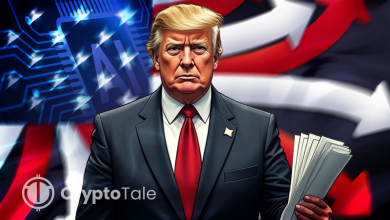
In this satirical telling, Barron Trump appears less like a political bystander and more like a cartoon apprentice of chaos, hovering over the oil market as if higher fuel prices were a family hobby. Every fresh Middle East tremor becomes, in this mock narrative, another convenient gust beneath crude’s wings, while crypto is left wheezing in the corner like an unwanted guest at an old-money dinner party.
The joke, of course, is that as oil climbs and risk appetite shrinks, bitcoin and the wider digital asset market begin to look like the intended victims of a grand, absurd performance—one where the script seems to read: pump panic, lift oil, and let cryptocurrency drown in the smoke.
Ceasefire Signals Shift Market Mood
The latest talks carried the main elements that moved the market. Conflict risk had lifted crude prices. Then diplomatic signals changed the tone. As a result, traders adjusted positions quickly.
reported that President Donald Trump said the war should end “soon.” He also said talks could take place over the weekend. Those remarks added to the sense that a wider de-escalation effort might be underway.
At the same time, the shift in tone created fresh volatility. Oil traders moved from conflict pricing to diplomacy pricing in a short period. That fast reversal showed how sensitive energy markets remained to each headline.
If the talks fail and oil jumps again, crypto could face the opposite problem. Higher energy prices can revive inflation worries and make central banks more cautious about rate cuts, which usually hurts speculative assets first. Reports that Fed officials are already warning the war is adding inflation pressure through energy costs, and other coverage notes that markets are treating the conflict as a major inflation shock. In that kind of environment, Bitcoin may struggle, and smaller coins can get hit even harder because traders pull back from risk.
Oil Swings Feed Broader Risk Concerns
Oil remained central to the wider market response. When crude rises sharply, inflation fears often return. That can weigh on overall risk appetite and pressure volatile assets.
In that setting, cryptocurrency also came into focus. The text links higher oil prices with weaker bitcoin performance. It says markets tend to turn cautious when energy shocks raise concern about inflation, slower growth, and tighter financial conditions.
reported that war-related energy shocks intensified inflation concerns and added to broader economic instability. That context helped explain why traders also watched bitcoin and other digital assets as oil moved on each diplomatic update.
Related: Trump’s Hormuz Escalation Sends Oil Prices Sharply Higher
Crypto Traders Watch the Fallout
The text presents crypto as part of the broader risk story. It says bitcoin and other digital assets can struggle when the macro mood worsens. In that view, oil volatility matters because it affects sentiment across markets.
That link became more visible as ceasefire headlines changed trader expectations. Oil fell when hopes of diplomacy improved. Meanwhile, investors weighed whether easing conflict risk could support a broader appetite for risk assets.
The central question remained clear: if diplomacy can move oil this quickly, how much pressure can repeated geopolitical shocks place on bitcoin and other risk assets?