BlackRock’s Larry Fink Sees Tokenization Reshaping Global Finance

- Fink said tokenization can widen investing access through secure mobile wallets.
- He linked inequality and weak market access to a deeper strain on the aging U.S. model.
- BlackRock called for clear rules as digital assets move toward wider market use.
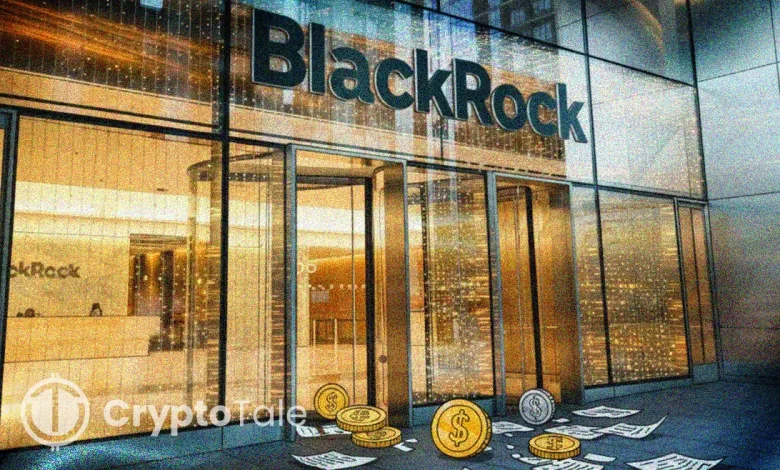
BlackRock Chairman and CEO Larry Fink said digital assets and tokenization could help modernize finance while expanding access to investing. In his 2026 annual letter to shareholders, he also warned that the U.S. economic model is leaving too many workers behind. He said rising inequality, growing government debt, and weak participation in capital markets are putting pressure on the old financial system.
Fink said the current model has delivered most gains to people who already own assets. Meanwhile, many workers have remained outside of the market’s growth. He argued that finance now needs new tools that can widen participation without removing core protections.
He tied that message to broader changes across the global economy. Countries, he wrote, are spending heavily on becoming more self-reliant in energy, defense, and technology. In that setting, he presented tokenization as one way to update how capital moves through the system.
Long-Term Investing Remains Central
Fink said short-term trading still serves a function in financial markets. It helps absorb new information, price risk, and direct capital. Even so, he said long-term investing has mattered far more than precise market timing.
He wrote that every dollar invested in the S&P 500 over the past two decades grew more than eightfold. By contrast, investors who missed the ten best market days earned less than half that amount. He added that some of the market’s strongest days came during the most unsettling periods.
“The danger is that we focus so much on the noise that we forget what actually matters,” Fink wrote. He used that point to argue that deeper structural forces, not daily volatility, now shape the future of finance. In turn, his letter placed market access and ownership at the center of that debate.
Tokenization as a New Access Point
A major theme in the letter was the democratization of investing through digital tools. Fink pointed to India’s digital payment systems as an example of how technology can move financial services into people’s phones. He said the next step is to add long-term investment options to that same digital experience.
He described tokenization as a way to build unified digital wallets that can hold many types of assets. These could include digital euros, government bonds, and fractional interests in private equity. As a result, investors could gain exposure to assets that usually sit outside the reach of smaller participants.
Fink also said tokenization could allow more targeted ownership. Instead of buying a broad bundled security, investors could buy exposure to a single product line or a specific region. Would that shift change how people think about ownership and opportunity in financial markets?
He said that type of asset breakdown could improve price discovery. It could also improve capital efficiency because on-chain transparency would let markets value individual asset components more directly.
Related: BlackRock CEO Larry Fink Predicts Bitcoin Could Hit $700K
Regulation Still Sits at the Core
Fink said tokenization will only scale with strong regulatory guardrails. He called for policymakers to update existing rules instead of building isolated legal systems for digital assets. In his view, that approach would help connect traditional financial institutions with digital-first innovators.
He also said BlackRock’s 2026 vision includes stronger digital identity checks and better buyer protections. Those steps, he wrote, are needed to manage risks tied to illicit finance and counterparty shocks. He argued that tokenized products must face the same rigor as traditional securities.
Fink said unified reporting standards and native support for programmable financial products can help support that transition. He described a future in which slow and fragmented settlement gives way to a 24/7 global marketplace. In that market, assets move across transparent ledgers while traditional safeguards remain in place.
More broadly, Fink said finance needs an upgrade to meet modern challenges, including demographic shifts, decarbonization, and rapid advances in artificial intelligence. Within that overhaul, he said digital assets and tokenization are likely to become part of the system’s next phase.