Kalshi Cracks Down on Insider Trading in Two Major Cases

- Kalshi disclosed two insider trading cases and said more than a dozen remain active.
- One case involved a MrBeast editor accused of trading on privileged show knowledge.
- The CFTC endorsed Kalshi’s action and warned it can pursue similar violations swiftly.
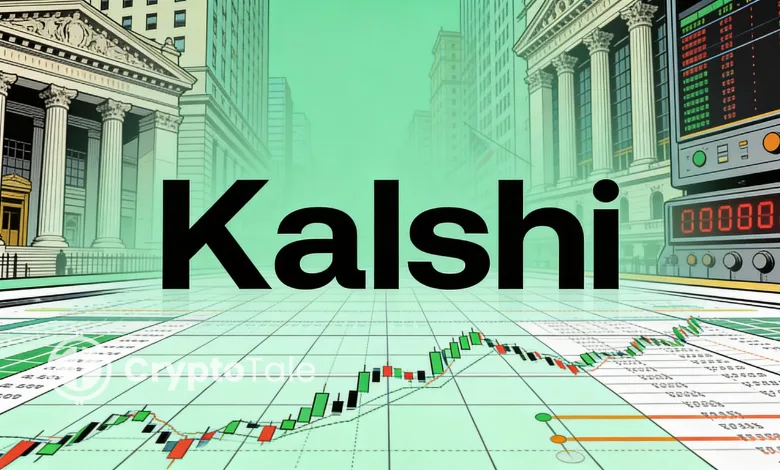
Kalshi said it penalized two users for insider trading, including an editor linked to social media star MrBeast. The regulated prediction market platform disclosed the actions on Wednesday. It said it has more than a dozen active cases among 200 investigations. The company operates as a designated contract market licensed by the U.S. Commodity Futures Trading Commission. The CFTC noted it can investigate and prosecute violations when appropriate.
MrBeast Editor Suspended and Fined
Kalshi identified one user as Artem Kaptur, who worked for James Donaldson, known as MrBeast. Donaldson’s brand spans a large social media presence and the reality competition show “Beast Games.”
Kaptur worked as a visual effects editor on the show. Kalshi said he placed $4,000 in trades tied to outcomes on MrBeast content. The company determined that he used unique knowledge related to his work.
As a result, Kalshi suspended Kaptur for two years. It also fined him more than $20,000. The company stated that insider trading violates its user policy and exchange rules.
Beast Industries, Kaptur’s employer, responded in a statement. “Beast Industries has no tolerance for this behavior, whether by contestants or our own employees,” the company said. It added that it maintains a longstanding policy barring employees from using proprietary company information.
The company also said it has initiated an independent investigation. At the same time, it encouraged Kalshi to communicate its findings more openly in the future.
Second Case Involves Political Candidate
Kalshi also resolved a case involving user Kyle Langford. The company said Langford bet $200 on his own candidacy for California governor. He then posted about the wager on social media.
Kalshi banned Langford for five years. It also imposed a penalty equal to 10 times his trade amount. Langford now runs for Congress. He did not respond to a request for comment.
The CFTC issued an advisory on Wednesday that referenced both matters. The regulator said Kalshi’s internal enforcement handled the cases. It added that the agency can investigate and prosecute violations when it deems involvement appropriate.
CFTC Chairman Mike Selig addressed the issue on X. “Our exchanges are the CFTC’s first line of defense in policing insider trading in prediction markets,” he wrote. He added that he was pleased to see Kalshi act. “Let me be clear: if you attempt to engage in manipulation, fraud, or insider trading, we will find you and take action.”
Industry Growth and Ongoing Scrutiny
Prediction markets have drawn heavy wagering in recent years. According to BBC News, leading firms attracted hundreds of millions of dollars in bets on the 2024 U.S. presidential election.
Regulators scrutinized the industry during the Biden administration. In contrast, the sector has received a warmer reception during Donald Trump’s presidency. Donald Trump Jr. serves in advisory roles at Kalshi and Polymarket.
Insider trading remains illegal in the stock market. Yet prediction markets operate under fewer regulations. That gap has raised questions about enforcement standards.
In another high-profile case, a gambler made nearly half a million dollars on the capture of Venezuela’s president just before officials announced it. The incident raised concerns about possible use of inside knowledge tied to a U.S. operation.
Related: Kalshi’s Massachusetts Case Tests Finance Vs Gambling Rules
During a recent CNBC interview, Kalshi CEO Tarek Mansour addressed a hypothetical scenario. He struggled to define insider trading in an example involving people in a stadium before the Super Bowl who might know what performer Bad Bunny would sing first. Kalshi had listed contracts tied to that outcome.
Mansour compared Kalshi’s controls to those of stock market firms. “We do the same thing on Kalshi. We have the same mechanism for enforcement,” he said. He also stated that users must recognize the risks of betting on information under uncertain restraints. “We want to work with policymakers and regulators to get that right,” he said.
As prediction markets expand and draw political and entertainment-linked contracts, one question remains: how will regulators define and enforce insider trading in a sector that blends finance with real-world events?