Strait of Hormuz Tensions Rise as U.S. Orders Iran Port Naval Blockade

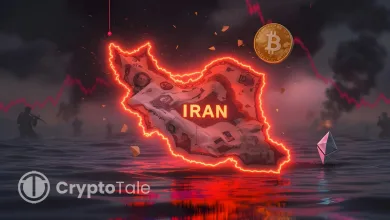
- The U.S. orders a naval blockade after Iran talks collapse over nuclear demands in Islamabad.
- Oil climbed above $105 as blockade headlines hit and U.S. stock futures turned sharply lower.
- Iran said talks neared an MoU before maximalist U.S. demands and blockade threats ended them.
Tensions around the Strait of Hormuz rose sharply after President Donald Trump said the United States Navy would begin blockading ships entering or leaving the waterway. The order followed failed peace talks in Islamabad and immediately pushed markets into risk-off mode.
The White House echoed Trump’s statement, while market commentary from The Kobeissi Letter said the military move was set to begin at 10 a.m. ET on Monday. In a familiar Trump-style flourish, the announcement mixed military threats with all-caps bravado, turning a diplomatic collapse into a market shock within hours.
Per reports, Trump said most points in the talks were agreed upon but claimed the only issue that mattered was Iran’s nuclear program. He also said U.S. officials had become friendly with Iranian representatives, then brushed aside the talks as meaningless because Tehran would not accept total dismantlement.
That sequence gave the episode a sharp contradiction. Diplomacy was described as productive, then discarded in the same breath, leaving traders to price headlines instead of outcomes and adding more strain to already fragile sentiment.
Markets React First
The first measurable response came from financial markets. According to The Kobeissi Letter, U.S. stock futures opened sharply lower after the talks ended without a deal. Among them, S&P 500 futures fell 1.0%, Nasdaq 100 futures dropped 1.3%, and Dow Jones futures lost 1.0%. At the same time, WTI crude jumped 10.0% and traded above $105 a barrel.
Similarly, Brent crude rose 8.5%, while natural gas gained 2.0%. Those moves showed that energy supply fears, not political messaging, became the market’s primary concern once blockade language appeared.
Trump also said the U.S. would destroy mines allegedly placed in the strait and intercept vessels that had paid tolls to Tehran. He described those payments as illegal extortion and said no such ships would have safe passage.
Iran Rejects the Pressure Campaign
Iranian officials answered with direct public statements after the weekend talks. Foreign Minister Abbas Araghchi said Tehran had engaged in good faith during the most intensive talks in 47 years.
He said the sides were inches away from an “Islamabad MoU” before the process ran into maximalism, shifting goalposts, and a blockade. He added that goodwill begets goodwill, while enmity begets enmity.
Iran’s Defense Ministry spokesperson, Reza Talai, also said the Strait of Hormuz would remain under Iran’s control and under the control of the region. He said Iran was stronger and more resilient and that efforts to divide the country had failed.
Those remarks framed the blockade not as leverage, but as proof that negotiations had broken down. They also showed that both sides were using public language to harden positions after the talks collapsed.
Threats Expand Beyond the Waterway
The confrontation widened further when The Kobeissi Letter reported that Trump was considering renewed, limited military strikes. The report said a broader bombing campaign was viewed as less likely but remained under discussion.
It also said Trump could pursue a temporary blockade while pressing allies to take over a longer escort mission through the waterway. Even while aides said he remained open to diplomacy, Trump threatened Iranian infrastructure in unusually blunt terms.
He specifically mentioned desalination plants and power facilities as easy targets. That language added another layer of risk as the dispute was no longer framed only around shipping but around broader state infrastructure.
Related: Trump’s Cryptic Post ‘WORLD’S MOST POWERFUL RESET’ Sparks Tension Before Iran Talks
A Breakdown Measured in Headlines and Prices
By the end of the sequence, the facts were clear. Talks in Islamabad failed, the blockade timetable was announced, oil surged above $105, and stock futures turned lower.
Trump presented the move as solidity, but the immediate scoreboard showed disruption instead. The result was a louder standoff, weaker risk appetite, and a fresh reminder that theatrical policy language can move markets faster than diplomacy can calm them.