Trump’s Iran Script Leaves JD Vance Holding the Bucket Alone

- JD Vance fronts Iran talks while Trump still rattles sabers and clouds the room.
- Trump keeps the applause for himself and parks the blame near Vance’s desk today.
- Critics see a peace bid wrapped in pressure theater and a remarkably thin script.
Vice President JD Vance is leading the U.S. delegation in Islamabad for high-stakes talks with Iran as a fragile ceasefire hangs in the balance. President Donald Trump has kept up a “maximum pressure” line while his team pursues diplomacy. That split approach has drawn fresh criticism of the Trump administration’s war strategy, its mixed messaging, and its handling of a conflict described as one of the region’s most dangerous in decades.
Let’s be blunt—what’s being framed as a clever “good cop, bad cop” strategy by Donald Trump and JD Vance often looks less like strategic brilliance and more like chaotic improvisation dressed up as policy.
Vance Steps In as the Face of Diplomacy
According to Reuters, Vance has moved to the center of the U.S. effort after staying largely out of view during many of the war’s key moments. The text portrays him as the pivotal figure in a crucial mission. He arrived in Islamabad alongside special envoy Steve Witkoff and Jared Kushner, tasked with transforming a fragile ceasefire into a more sustainable peace.
That role marks a sharp shift from the early phase of Operation Epic Fury. During that period, the administration appeared, by the text’s account, unable to assemble a coherent strategy. Vance had remained publicly skeptical of foreign intervention, which gave him a different profile from Secretary of State Marco Rubio and Defense Secretary Pete Hegseth.
Iran, according to the text, sees Vance as a “fresh face.” That label matters because it separates him from the administration’s more openly hawkish figures. Yet it also places him in an awkward position. He now serves as the diplomat for a White House that constantly threatens military action while simultaneously inviting the other side to engage in negotiations.
Trump’s Script Turns Peace Talks Into Political Theatre
The text says Vance had already been involved in diplomacy before this latest trip. On March 26, Trump asked him to brief the cabinet on Iran, a sign that he had taken charge of the peace track. Pakistani media also reported that Vance had twice planned visits to Islamabad with Witkoff and Kushner before dropping those trips.
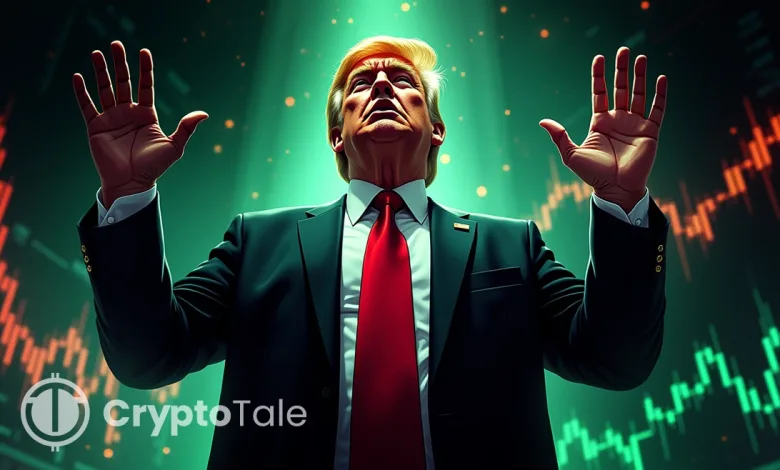
Then came Trump’s Easter dinner remark, which gave the moment the polish of dark comedy and the discipline of a circus rehearsal. “If it doesn’t happen, I’m blaming JD Vance,” Trump said. “If it does happen, I’m taking full credit.” The line was funny in the way a fire alarm is funny when someone calls it a soundtrack.
Can a peace mission look credible when the president jokes about blame and threatens force at the same time? That question hangs over the talks because Trump’s public warnings of escalation undercut the negotiators he sends. Instead of making Vance look independent, the arrangement makes him look like the polished messenger for a boss who still prefers the megaphone to the map.
Related: Pro-Iran AI Meme Campaign Targets Trump Over War Narrative
Critics See a Strategy Full of Noise and Gaps
The text says analysts remain doubtful that the talks can deliver permanent peace. Their skepticism rests on more than the usual diplomatic caution. The United States continues its military build-up in the region, while Trump keeps selling pressure as leverage. Critics see the arrangement as a “good cop, bad cop” routine, except both cops appear to read from the same impatient script.
Vance’s role also carries domestic political value. The text says success could strengthen his 2028 presidential prospects, while failure could damage them. It also says his skepticism of the war may help the White House manage anti-war voices inside the MAGA coalition, including Tucker Carlson, Candace Owens, Megyn Kelly, Matt Walsh, and Joe Kent.
That political calculation adds another layer to criticism of Trump’s approach. The text says Iran remains intact, still holds leverage over global oil flows, and still shapes terms in key areas. Critics also raise legal and ethical concerns, arguing that parts of the military campaign may lack clear international justification. In that light, Trump’s Iran policy looks less like a masterstroke and more like a noisy gamble where the threats keep coming, the credit stays reserved, and the cleanup job lands on everyone else.