Trump’s Jesus Image Deepens Pope Clash and Iran Fallout

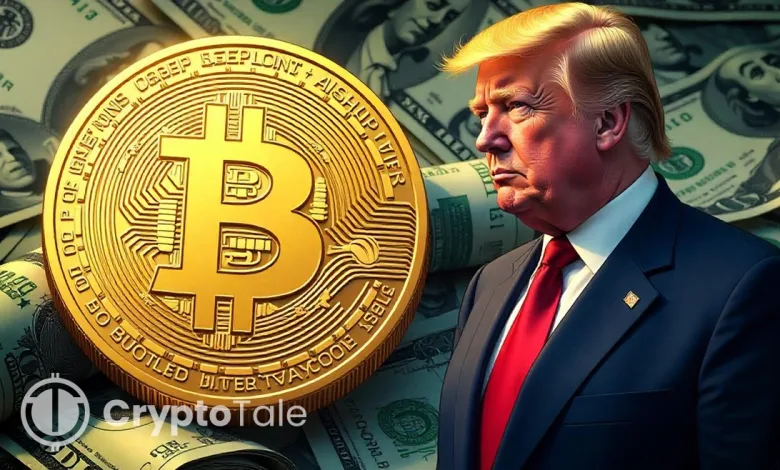
- Trump’s AI Jesus image stirred backlash by blending faith, power, and militarism.
- His harsh attack on Pope Leo widened criticism across religion and foreign policy.
- Iran tensions magnified concern as war fears met oil risk and price instability.
Donald Trump pushed a fresh political firestorm into religious territory after sharing an AI-generated image that portrayed him as Jesus Christ healing the sick. The post arrived just after he attacked Pope Leo XIV, and while tensions over Iran continued to build. That timing turned what might have been dismissed as another online stunt into a much broader controversy, because the image mixed faith, nationalism, and military power in one dramatic frame.
According to the material provided, the image showed Trump at the center of a scene filled with nurses, veterans, and active-duty military personnel. It also included a glowing heavenly backdrop, a large American flag, eagles, warplanes, the Statue of Liberty, and the Lincoln Memorial.
Some online observers, the same material said, claimed one figure looked like either Jeffrey Epstein or a wounded veteran. In short, the picture seemed to ask viewers to take in religion, patriotism, and raw force all at once, which is not exactly a subtle design choice.
The reaction sharpened because Trump had already gone after Pope Leo XIV in unusually direct language. He called the pontiff “WEAK on Crime and terrible for Foreign Policy,” then accused him of ignoring the fear churches faced during COVID restrictions. Trump also praised the Pope’s brother, Louis, who supported the MAGA movement, stating, “He gets it, and Leo doesn’t!” The line read less like a measured policy disagreement and more like a campaign rally had wandered into a cathedral.
Religion, Politics, and a Very Loud Image
Critics in the provided text argued that the image crossed into alleged blasphemy because it cast a political leader as a redeemer figure. Their objection did not rest only on bad taste. It rested on the scale of the symbolism.
The image did not simply flatter Trump. It appeared to place him in sacred space, dressed in the kind of imagery Christians reserve for Christ, not for presidents with social media accounts and a habit of picking fights before lunch.
That criticism came from voices on the right as well. Republican figure Marjorie Taylor Greene said, “It’s more than blasphemy. It’s an Antichrist spirit.” Right-wing influencer Milo Yiannopoulos also broke with the usual cheer squad. He wrote, “Oh hell no,” then said people had tolerated similar memes only when they believed Trump did not actually think he was the Messiah. He later added, “Pray for his soul. Pray for us all.”
Those remarks mattered because they showed the backlash was not confined to Trump’s familiar critics. Even some figures from his broader ideological camp seemed to look at the image and decide that the line between political branding and religious self-exaltation had been bulldozed flat.
Trump has always liked spectacle, but this time the costume department appears to have raided both a campaign warehouse and a stained-glass window.
Related: Trump’s Hormuz Promise Meets the Cost of His Own Chaos Now
Iran Tensions Gave the Post More Weight
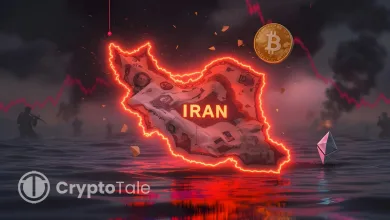
The controversy also grew because of the wider geopolitical setting described in the supplied material. Rising tensions in the Middle East, including aggressive rhetoric and military posturing toward Iran, had already linked Trump’s administration to the controversy.
Critics argued that this created a jarring contradiction. The same leader, who portrayed himself as a healer and savior, also engaged in language and actions that heightened fears of a broader war.
That clash between image and context gave the post economic weight as well as religious fallout. The text connected the Iran crisis to threats around the Strait of Hormuz, a vital route for global oil flows. As a result, the issue extended beyond symbolism. It touched markets, fuel prices, and broader price stability. When war talk rises near a major energy chokepoint, traders do not usually respond with calm, hymns, and confidence.
So the central question became unavoidable: what message does a leader send when he casts himself as a holy healer while the world watches conflict risks rise, and markets wobble? In the supplied material, that question sat at the center of the backlash.
Trump defended himself by claiming he was doing exactly what he was elected to do and by boasting about crime and the stock market. Yet the image, the attack on Pope Leo, and the Iranian backdrop combined into one unmistakable spectacle. Critics called it offensive. Allies called it too far. And Trump, as usual, made sure nobody could look away.