Iran Rial Collapse Triggers Protests as Currency Hits Record

- Iran’s rial hit a record low, sparking protests as traders shut shops across major cities.
- The Central Bank chief resigned as inflation surged and sanctions pressure deepened stress.
- Currency collapse amplified living costs, reigniting unrest not seen since the protests in 2022.
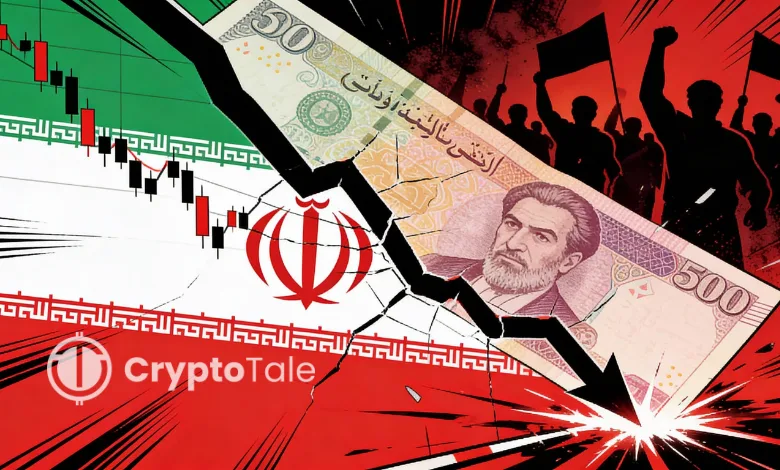
Iran’s currency crisis intensified this week as the rial plunged to a record low, triggering widespread protests across major cities. The rapid decline pushed the exchange rate to 1.42 million rials per dollar, alarming households and businesses nationwide.
Videos on social media showed large crowds rallying in Tehran and other urban centers. Demonstrators gathered after the sharp fall deepened pressure on living costs and household budgets.
Protests Spread After Currency Shock
On Monday, the traders and shopkeepers held a rally in Saadi Street and the Shush region in front of the Grand Bazaar of Tehran. The scale of protests was increased by merchants closing stores and asking others to stop trading.
The demonstrations marked Iran’s largest unrest in three years. Anger spread out of the capital as witnesses said of similar rallies in Isfahan, Shiraz, and Mashhad. The protests were confirmed by state media, indicating an official recognition of the escalating unrest.
The currency shock also coincided with a major political development. During the protests, the Central Bank chief, Mohammad Reza Farzin, resigned, as state television announced. Farzin assumed office in 2022 when the rial was traded close to 430,000 per dollar. The currency has since then lost most of its value, fueling people to be frustrated.
On Sunday, the rial touched 1.42 million per dollar before strengthening slightly to 1.38 million on Monday. The swings reflected panic among traders and importers. Sunday’s protests began in two mobile phone markets in downtown Tehran. Protesters chanted anti-government slogans as prices adjusted rapidly to the weaker currency.
Inflation Pressures and Economic Fears
The currency collapse has intensified inflation across Iran’s economy. Rising import costs have pushed food, medicine, and fuel prices sharply higher. Official data showed inflation reached 42.2% in December compared with the previous year. The figure rose 1.8% points from November.
Food prices climbed 72% year over year, while health and medical costs rose 50%. Many economists warned that the pace points toward hyperinflation risks.
The government recently introduced gasoline price changes, adding to public anxiety. As wages fall short of prices, households fear more cost increases. Reports of planned tax increases in the upcoming Iranian year, which begins on March 21, also raised concerns. Uncertainty among companies and customers was exacerbated by state media coverage.
Related: Iran’s Crypto Decline: Geopolitics, Hacks, and Eroding Trust
Iran’s currency struggles contrast sharply with earlier periods. The rial was trading at an approximate rate of 32,000 per dollar during the 2015 nuclear accord. That treaty relaxed sanctions in return for nuclear restrictions. The situation, however, changed when the United States pulled out of the deal in 2018.
Sanctions tightened again and restricted Iran’s access to global markets. Asset freezes and trade limits reduced foreign currency inflows. In September, the United Nations reimposed nuclear-related sanctions through a snapback mechanism. The move froze assets abroad and halted arms transactions.
Penalties tied to Iran’s ballistic missile program further weighed on investor confidence. Each measure added pressure on the currency. Markets were also shaken by geopolitical risks. The 12-day war in June between Iran and Israel raised concerns among Iranians.
Many feared a broader confrontation that could involve the United States. The prospect increased demand for dollars as a hedge against uncertainty.
As markets adjusted, traders monitored policy signals closely. The central bank leadership change added uncertainty to short-term stabilization efforts. For now, the protests underscored the link between currency stability and social calm.