Ukraine Blocks Polymarket Amid Prediction Market Scrutiny

- Ukraine classified Polymarket activity as gambling under the existing law framework.
- Regulators cited missing licensing while enforcing national online betting rules.
- War-related markets drew scrutiny as large volumes flowed through the Polymarket platform.
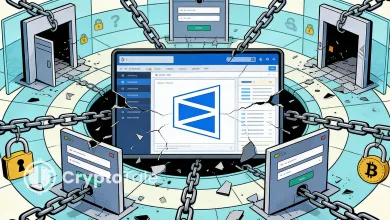
Ukraine has officially limited access to Polymarket, citing the platform’s lack of a license required for activities classified as gambling. The restriction followed a regulatory review that concluded the decentralized prediction market failed to meet national gambling requirements.
Authorities stated that the move reflects enforcement of existing law rather than a targeted action against digital assets.
The decision was issued by the National Commission for State Regulation of Electronic Communications under Resolution No. 695. Internet providers received instructions to restrict access to the platform within Ukraine’s borders. Officials framed the action as a compliance measure tied to consumer protection and licensing rules.
The restriction places Ukraine among jurisdictions tightening oversight of prediction markets. These platforms allow users to trade on real-world outcomes using digital assets. The classification of such activity remains contested across regulators worldwide.
Regulatory Process Behind the Restriction
The restriction followed a two-step regulatory process involving multiple state bodies. On November 27, PlayCity issued an initial decision after reviewing Polymarket’s operations.
PlayCity oversees gambling and betting activity, including online platforms.
PlayCity examined whether operators follow Ukrainian licensing rules and consumer safeguards. Its review found Polymarket noncompliant with national gambling law. The agency flagged the platform for operating without a recognized gambling license.
The assessment then moved to the National Commission for the Development of the Economy. On December 10, the commission approved a nationwide limitation on access, activating enforcement under Resolution No. 695.
War-Related Markets and Public Scrutiny
Scrutiny intensified due to the nature of markets available on Polymarket. Forbes reported that users trade yes or no contracts on real-world events using USDC. These events include political outcomes and geopolitical conflicts.
In Ukraine, hundreds of bets tied to the Russia-Ukraine war appeared on the platform. Reports said more than $270million in wagers were settled by late December 2025. Another $140million remained active during that period.
Over 97 war-related bets totalling $96.8 million were there In November 2025. Ukrainian media criticized markets linked to the possible occupation of cities in Donbas.
Legal Classification and Ethical Concerns
Critics argue that prediction markets resemble gambling rather than financial instruments. Ukrainian regulators relied on this view when applying the gambling law to Polymarket. The absence of a local license formed the legal basis for the restriction.
The case also raised ethical concerns tied to wartime betting. According to Meduza, critics said such markets commodify human suffering. This debate gained traction during periods of heightened security pressure.
Further controversy emerged over data use. Reports said Polymarket integrated data from the Ukrainian OSINT project DeepState through an API. The project stated that the platform used the data without permission.
Related: Polymarket Leads Crypto Protocols in User Retention Rate
International Context and Regulatory Divergence
Polymarket has faced similar scrutiny in other jurisdictions. Some regulators classify prediction markets as unlicensed gambling. Others treat them as information or derivatives markets.
Polymarket returned to the United States in 2025 and was supervised by the Commodity Futures Trading Commission. This was a major step for the company, as it made clear one way to comply with the regulations imposed by the financial sector. It is different from those countries whose regulators automatically abide by the gambling law.
Ukraine’s stance demonstrates the reaction of the legal system in countries to the prevailing uncertainty about the law. The government applied existing gaming laws to the decentralized finance platforms. The case represents the conflict between two forces, innovation and regulatory enforcement, which has deepened due to economic and security pressure.