Powell at The Supreme Court Tests Federal Reserve Independence

- Powell’s Supreme Court appearance spotlights Fed independence and removal of powers.
- Case tests whether presidents can fire Fed governors without proven cause legally.
- Outcome could shift Fed board control and influence rates and regulation policy.
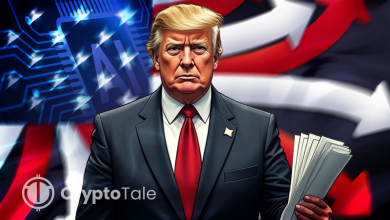
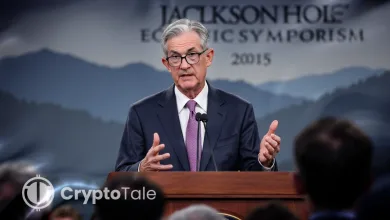
Federal Reserve Chair Jerome Powell will attend Supreme Court oral arguments in Washington on Wednesday, a rare move for a sitting Fed leader. The hearing centers on President Donald Trump’s attempt to remove Fed Governor Lisa Cook, raising direct questions about executive authority. Powell’s appearance places the central bank’s independence before the nation’s highest court at a moment of increased political pressure.
An Unusual Step by a Sitting Fed Chair
Powell plans to attend the Supreme Court session as justices hear arguments on Cook’s removal, according to a person familiar with the plans. Notably, Fed chairs rarely appear in person at cases involving internal governance disputes. However, Powell’s decision follows months of escalating conflict between the Federal Reserve and the Trump administration.
That context matters because Trump announced in late August that he would fire Cook from the seven-member Fed Board. He cited allegations of mortgage fraud tied to two homes Cook owns. However, Cook denied the accusations, and no criminal charges have followed. Her legal team maintains that the president lacks authority under the Federal Reserve Act.
The Supreme Court previously allowed Cook to remain in office while reviewing the case. Earlier, a federal district judge in Washington blocked her removal, and an appeals court upheld that order. Against this backdrop, Powell’s presence underscores the institutional weight attached to the case.
The Legal Battle Over Cook’s Removal
Cook sued Trump in federal court, seeking to block her dismissal and preserve her board seat through her term ending in January 2038. The Federal Reserve Act permits removal of governors only for cause, which Cook’s lawyers argue does not exist here. As per reports, bank documents appear to contradict the fraud claims cited by the administration.
The Justice Department has pushed back strongly. In filings to the Supreme Court, it described lower court rulings as improper interference with presidential removal authority. According to the department, the Constitution grants the president broad control over executive officers, including Fed governors.
If Trump ultimately prevails, he could appoint a replacement for Cook. That change would give his appointees a majority on the Fed’s board. Consequently, the outcome could directly affect interest rate policy and bank regulation decisions.
Related: Powell Signals End of Balance Sheet Tightening While Bitcoin Sees Sharp Swings
Subpoenas, Investigations and Rate Pressure
The Cook case comes alongside a separate confrontation involving Powell himself. Earlier this month, Powell disclosed that the Justice Department served the Fed with grand jury subpoenas. The subpoenas focus on a $2.5 billion renovation of Federal Reserve buildings and Powell’s congressional testimony.
In a video statement issued Jan. 11, Powell described the investigation as a pretext. He said the real issue came from the Fed’s refusal to cut interest rates as sharply as Trump demanded. Powell emphasized that the board sets rates based on its economic assessment, not presidential preferences.
The Fed cut rates three times late last year, lowering the benchmark rate to about 3.6%. However, Trump publicly argued rates should fall closer to 1%. He repeatedly criticized Powell, calling him “too late” and “a major loser” during public remarks.
Powell linked the threatened indictment to his June Senate testimony about the renovation project. However, he argued that the timing aligned with increased White House pressure on monetary policy. Powell’s decision to attend the Cook hearing shows the seriousness of these combined disputes.
Within the Fed, officials view the Cook case as having potentially existential consequences. The question before the court is on whether a president can remove a sitting governor absent proven misconduct. How the justices answer that question will determine the boundaries between political oversight and central bank autonomy.
Powell’s Supreme Court appearance places the Federal Reserve’s internal dispute into a public constitutional forum. The case ties together Cook’s contested removal, presidential pressure on interest rates and federal investigations involving the Fed. These events form a single legal and institutional test now happening before the justices.