U.S. Senate Inquiry Targets Binance Over Alleged $1.7B Iran, Russia Illicit Crypto Flows

- Senate probe targets Binance over $1.7B Iran and Russia crypto transfers flagged internally.
- Reports cite IRGC wallets and Russia’s shadow fleet oil payments via intermediaries.
- Binance says upgrades cut sanctions exposure by 96.8 percent from 2024 to 2025.
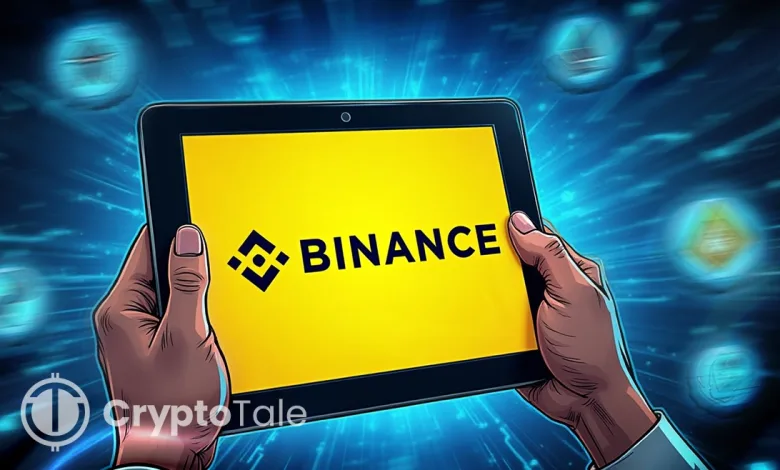
Binance is again facing questions in Washington, this time over allegations that roughly $1.7 billion in crypto transactions may have reached sanctioned Iranian and Russian networks through its platform. A senior U.S. senator has opened a preliminary inquiry, asking whether the exchange’s internal controls failed at a critical moment.
According to reports, Senator Richard Blumenthal, the ranking member of the Senate Permanent Subcommittee on Investigations, confirmed he sent a formal letter to Binance Chief Executive Richard Teng seeking documents and internal records.
The request focuses on reported transfers tied to Iranian entities and Russia’s sanctions-evading oil trade. It also questions why certain compliance employees were reportedly sidelined after flagging suspicious activity.
Senate Letter Cites Media Investigations
The inquiry follows recent reporting by The Wall Street Journal, The New York Times, and Fortune. According to Richard, those accounts described internal findings at Binance that allegedly connected two platform partners, Hexa Whale and Blessed Trust, to transactions involving Iranian government-linked entities.
He further noted that compliance staff raised concerns that Hexa Whale had acted as an intermediary in moving funds connected to groups such as the Yemeni Houthis. Internal investigators also identified transfers to digital wallets associated with Iran’s Islamic Revolutionary Guards Corps, along with payments tied to crew members operating vessels in Russia’s so-called “shadow fleet,” used to move oil outside sanctions frameworks.
Blumenthal’s letter said the activity went undetected until close to $2 billion had moved. He questioned whether the scale of those flows was compatible with the compliance commitments Binance made in its 2023 settlement with U.S. authorities. This led to the senator requesting documentation outlining how the transactions were handled and what steps were followed once they were discovered.
Past Violations and Regulatory History
The inquiry revisits a company that has already paid a steep price for past lapses. In 2023, Binance agreed to more than $4 billion in penalties tied to anti-money laundering failures. As a result, founder Changpeng Zhao later served jail time related to those violations.
Recently, Blumenthal described the exchange as a ‘repeat offender’ and argued that dismissing or suspending staff who identified problematic transfers would raise further questions. His letter also referenced Binance’s financial partnership with World Liberty Financial, a crypto firm linked to members of the Trump family and presidential envoy Steve Witkoff.
Per Richard, this influence campaign worked. He pointed to May 2025, when the Securities and Exchange Commission dropped a lawsuit accusing Binance of misleading regulators and mishandling funds. Months later, Zhao received a presidential pardon. The timing, Blumenthal suggested, warrants additional review.
Related: Why Bitcoin Below Strategy Holdings’ Price Matters Now: Saylor’s Discount
Binance Responds to U.S. Senate Inquiry Claims
Binance, on the other hand, has rejected the allegations. In a blog post responding to the initial media coverage, the company said its compliance program is “best-in-class” and described the reports as distorted accounts relying on claims from former employees.
The exchange acknowledged that global financial systems face persistent risks from bad actors. However, it said it has invested heavily in upgrades since 2023, expanding sanctions screening and transaction monitoring tools.
Binance stated those efforts led to a 96.8% decline in sanctions-related exposure between January 2024 and July 2025. Company officials maintained that the compliance process worked in the cases cited and said Binance continues to cooperate with law enforcement agencies worldwide.
For lawmakers, the issue now extends beyond a single exchange. The inquiry underscores broader concerns about whether digital asset platforms can effectively block sanctioned entities from moving funds across borders. The Senate subcommittee is expected to review Binance’s response in the coming weeks before deciding whether further action is necessary.