
Bitcoin Depot Enforces Full ID Checks for All ATM Transactions as Oversight Tightens


- Bitcoin Depot now requires ID for every ATM transaction in its nationwide rollout.
- States increased pressure after fraud losses, and new crypto ATM laws tightened rules.
- Multiple attorneys general sued Bitcoin Depot over alleged weak scam protections.
Bitcoin Depot moved ahead with a new rule this month, requiring every customer at its kiosks to show identification before a transaction can proceed. The change has been rolling out quietly since February, and the company says it is doing so across its U.S. network in stages.
The operator, which runs thousands of machines around the country, described the step as an expansion of its existing compliance program. It already required an ID from new users starting last October. Now the company is applying that standard to everyone, every time, folding it into its broader attempt to limit abuse of its machines.
Compliance Shift Expands KYC Controls
In a statement, CEO Scott Buchanan said continuous checks give the company a clearer view of who is using its kiosks and how. He noted that verification before approval helps surface unusual patterns tied to specific customers, locations, or transaction sizes.
<blockquote> “Continuous verification allows us to detect suspicious activity based on customers, locations, or transaction amounts before a transaction is approved,” said Bitcoin Depot CEO Scott Buchanan. </blockquote>
The company framed the update as a way to cut down on account sharing and identity-theft attempts, which it says continue to pose problems as more machines come online. The new rule is still moving through the network, though the company said the rollout began earlier this year. It is part of what Bitcoin Depot described as a tightening of its Know Your Customer framework.
Market Leader Under Growing Scrutiny
On a broader scale, the U.S. remains the largest base for Bitcoin ATMs, holding roughly 31,360 machines, about 78 percent of the global count, according to industry data. Bitcoin Depot sits at the top of that market with 9,019 kiosks, giving it a significant share of domestic locations. However, the industry’s growth has drawn unwanted attention.
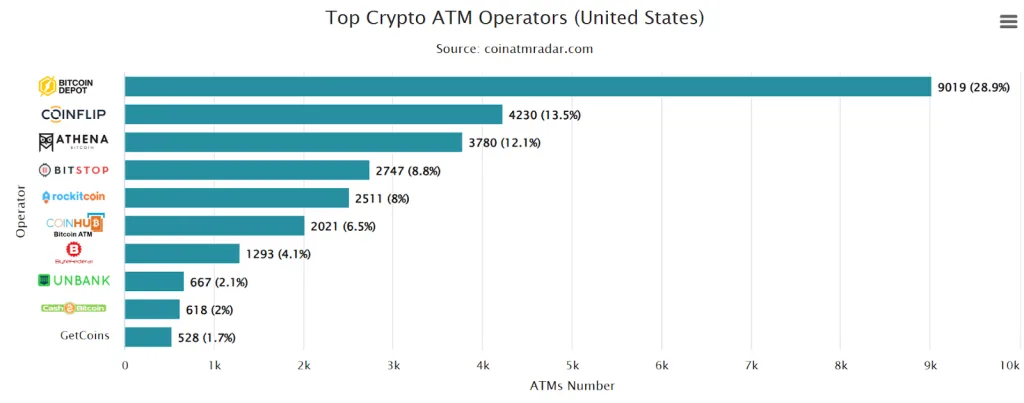
Source: Coin ATM Radar
Fraud losses tied to crypto ATMs reached $333 million in 2025, the FBI reported. Consumer advocates also pushed state governments to intervene, and a report from AARP noted that 17 states now have laws aimed at ATM operators. Some, including California and Texas, put strict limits on transaction amounts in an attempt to slow scam activity.
Related: Missouri House Forwards Bill 2080 to Launch a State-Backed Bitcoin Reserve
Legal Challenges and Settlements
Bitcoin Depot has been dealing with pressure from state authorities as well. Earlier this month, Massachusetts Attorney General Andrea Campbell sued the company, arguing that its protections were not strong enough to keep users safe from scams.
According to reports, her office is asking a court to block the company from processing larger transactions unless it adds more safeguards. The company also settled a separate matter in January. Maine Attorney General Aaron Frey agreed to a $1.9 million deal with Bitcoin Depot to reimburse users who were scammed through its machines.
Another case is still moving through Iowa. Attorney General Brenna Bird filed a lawsuit last year against Bitcoin Depot and competitor Coinflip, claiming both operators had not built in adequate protections to deter scam-related losses.
Despite the ongoing scrutiny facing Bitcoin Depot, the company is now focused on rolling out full ID checks for every ATM transaction, expanding an earlier verification rule for new users. The shift comes as fraud losses rise, state laws tighten, and multiple attorneys general pursue lawsuits and settlements over insufficient consumer safeguards.