SEC and CFTC Weigh Move to Shared Washington Headquarters

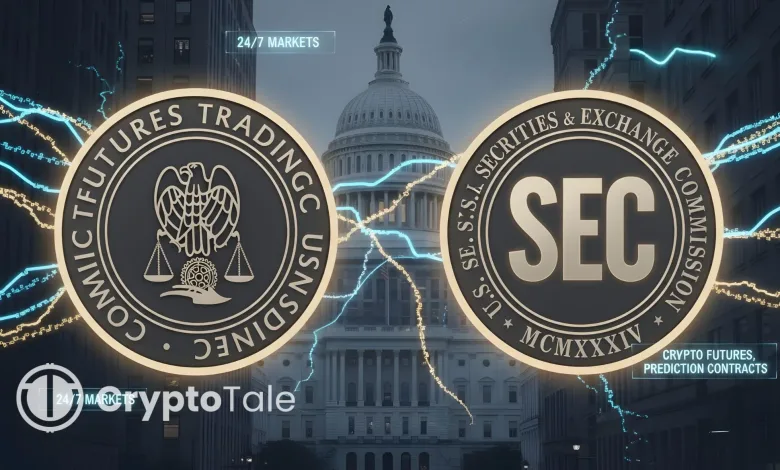
- SEC and CFTC weigh shared DC headquarters near Capitol Hill complex in Washington.
- Proposal keeps agencies separate while improving regulatory coordination efforts.
- The earliest relocation timeline points to 2027, pending budget and federal approvals.
The Securities and Exchange Commission and the Commodity Futures Trading Commission are quietly exploring a plan that would place them under the same roof in Washington, according to people familiar with the matter. The idea is straightforward: move the CFTC into the SEC’s current office complex near Union Station, within walking distance of the Capitol.
The conversations have circulated inside regulatory circles since last year; however, they remain preliminary. No relocation would occur before 2027 at the earliest, officials said, underscoring how early the process still is and how many logistical hurdles would need clearing.
Bloomberg senior ETF analyst Eric Balchunas flagged the discussions publicly, citing reporting from Bloomberg. People briefed on the talks said the concept centers on proximity, not consolidation. The agencies would not merge. Their mandates, leadership structures, and statutory authorities would remain intact.
SEC-CFTC Move: A Shared Address, Not a Merger
Despite occasional speculation about deeper integration, the proposal does not contemplate combining the two watchdogs. The SEC regulates securities markets, stocks, funds, and public company disclosures. The CFTC, on the other hand, oversees derivatives markets, including futures and options.
Those lines have blurred at the margins, particularly as digital assets have grown. But Congress created the agencies under separate legal frameworks, and nothing in the current discussions would alter that foundation.
Instead, the focus is practical. Officials described the potential move as an operational adjustment. Federal agency relocations require years of planning, budget coordination, and real estate approvals. That timeline alone pushes any decision well beyond the immediate policy cycle.
Why Coordination Has Become More Urgent
The case for closer day-to-day interaction has strengthened as financial products have grown more complex. Cryptocurrency markets are the most visible example. Some tokens fall under securities laws, while others are treated as commodities.
Regardless, derivatives tied to digital assets can draw in both regulators at once. That overlap has not gone unnoticed by industry participants. Firms operating across spot and derivatives markets have long cited jurisdictional uncertainty as a challenge.
Enforcement actions in recent years have sometimes highlighted the gray areas between the agencies’ authority. Earlier in 2026, the SEC and CFTC hosted a joint event focused on regulatory harmonization.
Officials from both sides acknowledged the need for clearer coordination, particularly as digital trading platforms expand into multiple asset classes. Co-location would not resolve statutory questions. It would, however, make collaboration easier. Meetings that now require travel across the city could happen down the hall.
Practical Effects of Proximity
People familiar with the matter said the agencies have discussed several areas where physical proximity could help. Token classification remains a persistent issue. So does oversight of trading venues that list both securities products and derivatives.
Similarly, stablecoins, which function across payment systems and trading markets, present another example. Enforcement coordination, too, could benefit from faster internal consultation when cases span both securities and commodities law.
Still, officials caution against overstating the symbolism. This is not a structural reform of U.S. financial regulation. It is a facilities discussion, albeit one with policy implications at the margins.
The SEC’s headquarters near Union Station offers proximity to Congress and other federal institutions. The CFTC currently operates from a separate Washington location. Essentially, consolidating into one complex would streamline security, infrastructure, and certain administrative functions, according to people briefed on the talks.
Related: 21Shares Brings First U.S. Spot Polkadot ETF to Investors
A Signal in a Broader Regulatory Moment
The proposal comes at a time when lawmakers are debating how to modernize oversight for digital assets and emerging markets. Both agencies oversee segments of markets measured in the trillions of dollars. Their decisions ripple globally.
For now, the discussions remain internal. Funding approvals, lease arrangements, and federal property reviews would all shape the outcome. Yet, no formal announcement has been made.
What is clear is narrower: Washington’s two primary market regulators are considering whether sharing an address could sharpen coordination in an era when financial boundaries are less distinct than they once were.