Six-Month Token Lock Ties Voting to Staking Access and Perks

- A six-month lock compels sustained staking and calibrates governance clout among voters.
- 76 percent of voted tokens came from ten accounts, exposing concentrated influence.
- Stakers of 50 million tokens could obtain privileged access to the project business team.
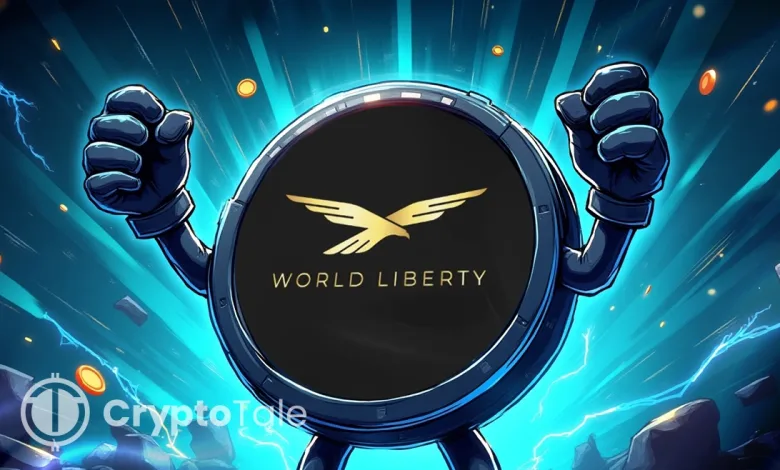
World Liberty Financial token holders must now lock their WLFI tokens for nearly six months to vote on governance decisions. The rule follows a proposal that closed Friday with 99.12% approval from 1,800 votes on the Snapshot governance platform. Data from the vote shows more than 76% of participating tokens came from ten users.
The Trump family-backed crypto venture said the change seeks stronger commitment from voters shaping the protocol’s future. The proposal also introduces a reward structure for stakers who remain active in governance. Participants who vote in at least two governance rounds during the lock-up period receive a 2% annual yield on staked WLFI tokens.
Users who already locked their tokens will continue voting without changes. Yet the move arrives as decentralized autonomous organizations struggle with weak participation across governance systems.
Governance Lock-Up Targets Low DAO Participation
World Liberty Financial described the lock-up as a method to ensure decision-makers show long-term alignment with the protocol. The proposal therefore ties voting power to a commitment period lasting nearly half a year. Low turnout has troubled many decentralized organizations.
Some estimates place average DAO voter participation between 15% and 25%.
As a result, developers and founders continue exploring ways to improve engagement. For instance, Vitalik Buterin suggested in February that artificial intelligence assistants could help DAO members vote more easily. He proposed that AI tools could analyze proposals and help users participate in governance more often.
Meanwhile, Stani Kulechov presented a different idea. He suggested reducing the influence of token holder voting while allowing stronger input from leadership teams. World Liberty Financial instead chose a staking-based approach to influence governance behavior. But one question remains: will longer lock-ups actually increase meaningful participation among token holders?
Large Stakeholders Offered Direct Collaboration Access
Another section of the proposal focuses on major token holders. It states that users staking 50 million WLFI tokens, valued around $5 million, could gain “guaranteed direct access” to the WLFI team. The proposal describes the access as an opportunity to discuss collaboration and partnership development.
However, the project’s spokesperson later clarified the arrangement.World Liberty Financial spokesman David Wachsman told Reuters the privilege does not guarantee meetings with specific founders. Instead, he described it as preferential access to the project’s business development team and executives.
Wachsman said Super Node participants may discuss partnership opportunities with the team. Still, the original February proposal used the word “guaranteed” when describing access for large stakeholders.
When Reuters asked about the difference in wording, Wachsman did not directly address the change. He repeated that Super Nodes grant access to the business development team.
Trump-Linked Project Expands Financial Plans
World Liberty Financial continues to develop a broader crypto financial ecosystem.
Its “Gold Paper” states that the platform plans to center this ecosystem around its stablecoin USD1. The document lists Eric Trump and Barron Trump as co-founders supporting the project.
It also names Zach Witkoff and Alex Witkoff as co-founders.
Reuters reported it could not independently verify those figures or confirm the total number of individual token holders involved. Meanwhile, a section titled “Meet Our Team” previously listed Eric Trump, Donald Trump Jr., and Barron Trump. The project removed that page after Reuters sent questions about the governance proposal.
Beyond governance changes, the company continues pursuing expansion plans. In January, the project applied to the Office of the Comptroller of the Currency for a national trust bank charter.
The application seeks to expand the use of its USD1 stablecoin. The project also launched rewards programs and partnerships with institutional platforms to increase adoption.
According to CEO Zach Witkoff, the company is exploring tokenization projects tied to assets such as real estate and oil and gas. He also mentioned plans for a publicly traded company that could hold WLFI tokens.
Related: WLFI Plans Tokenized Loan Yield for Trump Maldives Resort
At the same time, critics have raised concerns about financial ties between the project and the Trump family. A Reuters analysis reported the family earned more than $460 million from World Liberty in the first half of 2025. Critics argue the earnings come as the administration reduces regulatory pressure on crypto firms.
In response, White House Counsel David Warrington addressed the issue in a statement to Reuters. He said the president has no involvement in business deals that conflict with constitutional duties. Warrington also said Donald Trump performs his responsibilities in an ethically sound manner. He added that claims suggesting otherwise remain ill-informed or malicious.