Crypto Is the Future of AI-Native Payments, Says Sam Bankman-Fried

- Sam Bankman-Fried linked crypto payments to the fast rise of autonomous AI agents.
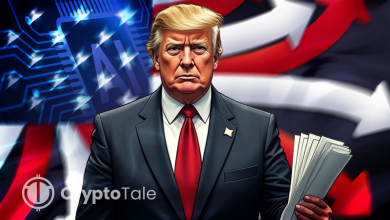
- Trump called Bitcoin “very powerful” and backed a U.S. crypto leadership push in Miami.
- Visa, Stripe, Coinbase, and Mastercard are building tools for agent-led digital payments.
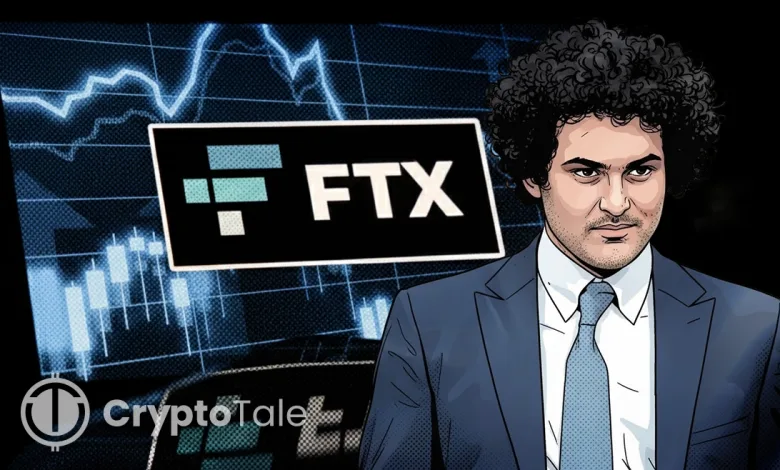
Jailed cryptocurrency fraudster Sam Bankman-Fried tied digital asset payments to automated commerce after President Donald Trump gave cryptocurrency a central role at a Miami investment summit. In a post on X, he said payments are no longer driven solely by people, as software agents increasingly need to transact as well.
The remark turned a political speech into a wider debate about how automated systems could move money on the internet. The exchange followed Trump’s appearance at the Future Investment Initiative Priority Summit, held from March 25 to March 27 at the Faena Hotel in Miami Beach.
During that speech, Trump called Bitcoin “very powerful” and said more people now prefer to pay with cryptocurrency. He also said the United States would become the world’s Bitcoin superpower and the undisputed crypto capital.
“Bitcoin is very powerful… So many people now want to pay you in crypto,” Trump remarked.
A Payment Argument, Not Just a Market Slogan
Bankman-Fried’s post stood out because it shifted attention from trading toward infrastructure. He argued that crypto fits a world where software agents handle payments, settle tasks, and manage funds without waiting for human approval.
That framing presented blockchain rails as tools for machine commerce rather than only as speculative assets. He also described Trump as the first president to recognize the strategic potential of digital assets and artificial intelligence.
“Crypto is the future of AI-native payments. And @realDonaldTrump is the first president to see the national statregic potential of both crypto and AI,” Bankman-Fried acknowledged.
That claim landed days after World Liberty Financial launched payment infrastructure for blockchain-based agents. The system is designed to let those agents manage funds and transact on-chain.
Trump’s Miami Speech Set the Sequence
Trump’s remarks mattered as they placed digital payments inside a broader economic message. Speaking to investors, executives, and policymakers, he linked cryptocurrency to national competitiveness, technology, and capital flows. The timing also underscored how sharply his public posture has shifted since 2021.
Bankman-Fried then extended that message into a practical payment use case. Instead of focusing on consumers alone, he pointed to agents that could buy services, complete tasks, and move value across networks. That distinction helped explain why autonomous payments are gaining serious attention.
Related: Trump Pledges to Crown U.S. the World’s Bitcoin Superpower and Crypto Hub
Major Firms Are Already Building the Same Model
Industry examples reinforced that point with product announcements and strategy documents. Visa said in its 2026 payments outlook that agentic commerce is moving into the mainstream. It described a near-term model in which software systems transact on behalf of consumers and businesses.
Similarly, Stripe has already moved deeper into that model. It said machine payments now let developers charge agents directly for API calls and other usage through stablecoin micropayments. The company also partnered with OpenAI on shopping experiences within ChatGPT, integrating commerce tools into artificial intelligence interfaces.
Coinbase made a parallel case through its Agentic Wallets product. The company said the wallets enable non-custodial, autonomous payments for compute, data, storage, and related services via the x402 standard. Mastercard also said tokenized currencies and autonomous agents are reshaping commerce and then launched a crypto partner program tied to established payment rails.
Taken together, those developments explain why Bankman-Fried’s claim reached beyond social media. His post matched a pattern already visible across politics, fintech, and blockchain infrastructure. In that pattern, crypto was presented not as a theory but as a working payment layer for machine-led transactions.