Trump’s Hormuz Promise Meets the Cost of His Own Chaos Now

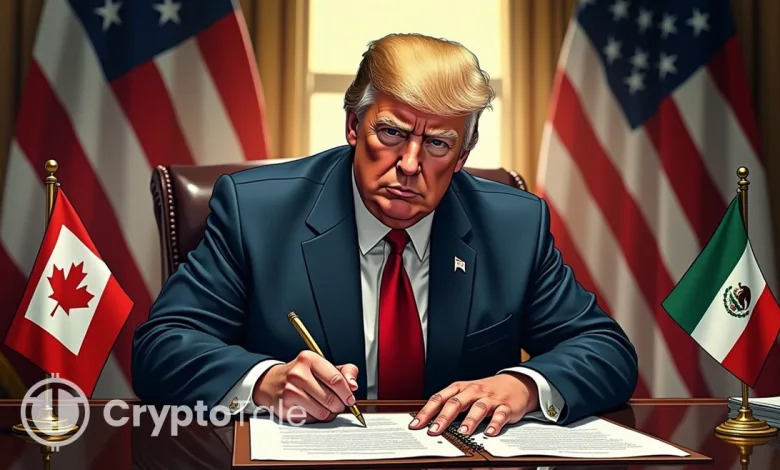
- Trump promised quick control, yet Hormuz stayed jammed and markets kept paying dearly.
- His bravado met stranded tankers, rising costs, and diplomacy still stuck in traffic.
- The crisis mocked the script: loud threats upfront, hard solutions still missing.
President Donald Trump said the United States would reopen the Strait of Hormuz “fairly soon” and stop Iran from turning the route into a toll lane. Yet ship traffic remains far below normal, ceasefire terms still look fragile, and the economic shock from the war continues to spread. That gap between promise and reality has sharpened criticism of a policy that mixed war, threats, and hurried diplomacy, then left global markets to absorb the damage.
Bold Words, Thin Clarity
Trump told reporters that reopening the strait “won’t be easy,” said other countries were ready to “help out,” and warned that Washington would not allow Iran to impose passage fees. He also said stopping Iran from getting nuclear weapons was “99 per cent” of any peace deal. Still, he did not explain how the United States would reopen one of the world’s most sensitive shipping chokepoints.
That omission matters because the blockade followed a war that began after U.S. and Israeli attacks on Iran on February 28. Reuters reported that the conflict caused the worst disruption to global energy supplies in history, hit a route that carries about 20% of global oil and liquefied natural gas, and left ship traffic stalled even after Trump announced a ceasefire.
The uncertainty has also reached inside the White House. Reuters reported that advisers backed away from a televised presidential address because they still lacked clarity on the ceasefire terms. Trump, who likes to project command, instead announced the truce on social media while aides were still sorting out what the deal covered. That sequence fed criticism that the administration moved faster on swagger than on specifics.
Ships Still Wait as the Bill Grows
On the water, the numbers remain stubborn. Reuters graphics showed only 15 ships entering or exiting the strait after the ceasefire, compared with a prewar average of 138. Al Jazeera, citing Lloyd’s List Intelligence, reported that more than 600 vessels, including 325 tankers, remain stranded in the Gulf. This does not depict a waterway that has suddenly regained its vitality.
How does a White House promise to reopen Hormuz square with a route that analysts still describe as “fundamentally unchanged”? Matt Smith, lead oil analyst at Kpler, told Al Jazeera that Iran remains the “gatekeeper,” letting some of its tankers and selected vessels pass through a corridor it governs while broader traffic stays constrained.
Read More: Trump’s Crypto Pitch Meets a Post-Ceasefire Reality Check
The legal point favors Washington more than the operational one. Reuters reported that the International Maritime Organization said no international agreement allows tolls in an international strait and warned that any such move would set a “dangerous precedent.” Even so, that legal argument does not erase the larger problem for Trump: the shipping shock came after a war that already rattled trade, insurance, and investor confidence.
Meanwhile, diplomacy remains messy. Al Jazeera reported that Vice President JD Vance landed in Pakistan for talks aimed at a permanent end to the war, while U.S. and Iranian officials continued to send conflicting signals about the terms, including a proposed 10-point Iranian plan. Reuters also reported that the conflict has already pushed oil prices up 50%, and World Bank President Ajay Banga warned it could cut global growth by 0.3 to 0.4 percentage points in a baseline case, and by as much as 1 point if it drags on. The result is a sharper critique of Trump’s broader approach: a policy sold as control has instead delivered higher fuel costs, more inflation pressure, and a geopolitical mess that no amount of runway bravado can clear on command.