
Cynthia Lummis Pushes Crypto Tax Relief for Daily Use

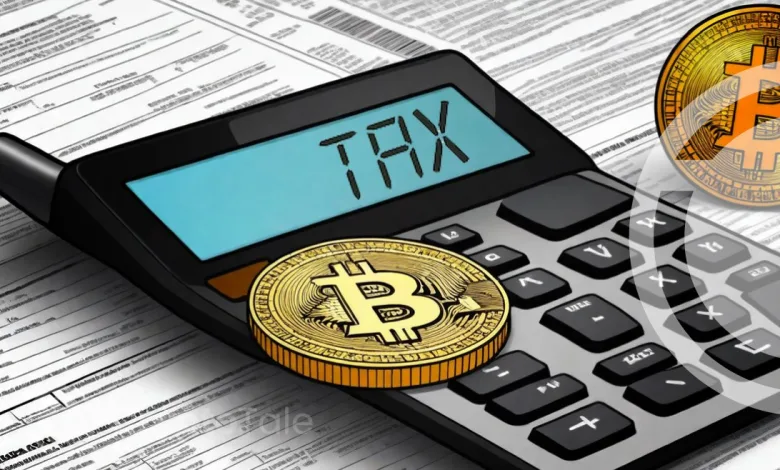
- Sen. Lummis renewed her push for a $300 crypto tax break on small everyday payments.
- The proposal seeks to ease Bitcoin spending and reduce tax friction for regular users.
- Current U.S. rules still treat crypto purchases as taxable property transactions.
U.S. Senator Cynthia Lummis has renewed her call for a tax exemption on small cryptocurrency payments. She says lawmakers want Americans to use digital assets like Bitcoin for everyday purchases without a capital gains tax. Lummis discussed the proposal during a March 4 interview with CNBC. Her proposal targets crypto transactions worth up to $300. The effort seeks to remove tax barriers that limit cryptocurrency use in daily commerce, particularly for small transactions, which can hinder consumer adoption and everyday spending.
Proposal Targets Small Crypto Transactions
Lummis first introduced digital asset tax legislation in July last year. The bill proposes creating a new tax provision called Section 139J. This section would allow a de minimis exemption on crypto gains taxes. Under the proposal, Americans could complete crypto transactions up to $300 without triggering capital gains tax. The legislation also sets a yearly cap of $5,000 for the exemption.
Lawmakers designed the proposal to support small everyday payments. The exemption would not apply to several types of transactions. These include converting cryptocurrency into cash or stablecoins. The bill also excludes property used in active trade or business. It also excludes property held for income production. Lawmakers added these limits to define the scope of the exemption.
Lummis said during the interview that policymakers continue exploring ways to improve the proposal. She said lawmakers want to create a system where Bitcoin works as a practical means of exchange.
Current Tax Rules Complicate Crypto Payments
Under current U.S. law, the Internal Revenue Service classifies cryptocurrency as property instead of currency. Because of that rule, every crypto payment triggers a taxable event.
Users must calculate the difference between the purchase price and the value at the time of spending. If the value increases, the user must report a capital gain.
Even small purchases require reporting. For example, buying coffee with Bitcoin may require tracking the asset’s original purchase price. That requirement complicates tax compliance for everyday users.
The bill argues that tracking every crypto transaction becomes nearly impossible. Many users complete small digital asset payments daily. Yet tax rules treat each transaction as a reportable event.
Lawmakers believe the $300 threshold creates a workable balance between compliance and usability. The limit allows regulators to maintain oversight while reducing reporting burdens on small transactions.
Read More: Senate Crypto Bill Delayed as Lummis Says Passage Is “Closer Than Ever”
Lawmakers Explore Crypto’s Role in Payments
During the interview, Lummis described the broader challenge facing policymakers. She said lawmakers must find ways to support Bitcoin as a functioning payment method.
At present, most Americans treat cryptocurrency as an investment asset. Many users hold Bitcoin instead of spending it on everyday goods. The senator said the current tax treatment discourages payment use. Users must track every gain or loss when they spend cryptocurrency. That requirement increases administrative complexity.
Supporters of the proposal believe a de minimis exemption could simplify crypto payments. Small purchases would not trigger capital gains calculations. As a result, digital assets could function more like traditional money.
Advocates also note that U.S. tax law already offers similar exemptions for foreign currency transactions. These rules allow small payments without capital gains reporting. If lawmakers adopt the proposal, everyday crypto transactions could become easier for consumers and merchants. Could removing small transaction taxes help Bitcoin operate as a true medium of exchange?