Sei Expands to Xiaomi’s Global Base with Pre-Installed App

- Sei integrates a crypto wallet into Xiaomi phones, expanding global on-device access.
- Embedded tools simplify onboarding with MPC security and curated decentralized apps.
- Partnership plans stablecoin payments in Xiaomi stores as Sei scales high-speed throughput.
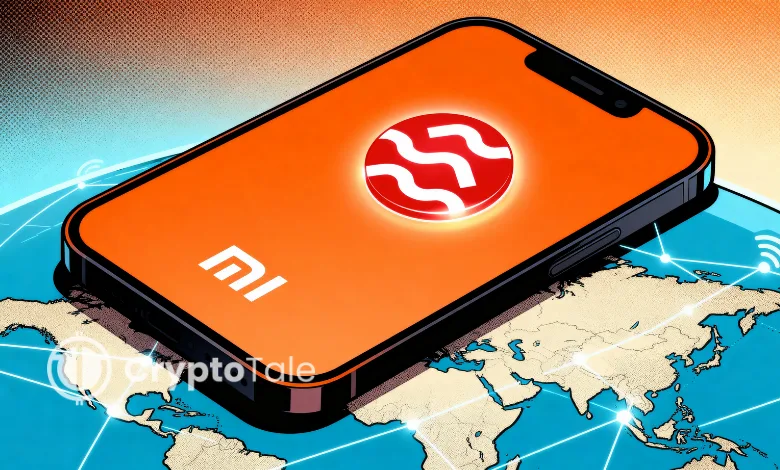
Sei is extending its reach to Xiaomi’s worldwide smartphone users through a deal that places a crypto wallet and discovery app on upcoming Xiaomi devices. The partnership covers new smartphones sold outside mainland China and the United States, starting in 2026. Xiaomi ranks among the top three global vendors with a 13 percent market share. This rollout supports the company’s plan to integrate stablecoin payments across Xiaomi’s retail and digital ecosystem.
Embedded Access for Mobile Users
The integration places Sei’s next-generation wallet directly inside Xiaomi’s device setup experience. The app enables users to sign in using Google or Xiaomi IDs, offering a familiar onboarding method for new entrants.
It includes multi-party computation protection, which distributes key material across multiple parties to reduce individual risk. It also provides curated access to decentralized applications running on Sei and supports peer-to-peer transfers and consumer payments.
This approach aligns with broader efforts to simplify access for regions where Xiaomi holds strong market positions. Xiaomi is a dominant supplier in several markets. These markets form part of the first rollout zones alongside Europe, Latin America, Southeast Asia, and Africa.
Notably, these regions register consistent interest in digital assets, creating a foundation for wider engagement. This distribution strategy links the wallet with everyday smartphone activity and reduces steps for first-time users.
The initiative also connects with Sei’s Global Mobile Innovation Program, worth five million dollars. The program funds developers building mobile-focused consumer applications that operate on Sei’s infrastructure.
By tying the program to the Xiaomi rollout, Sei seeks additional coverage for developers seeking real-world distribution channels. Jay Jog of Sei Labs noted that distribution often presents a greater challenge than capital.
Stablecoin Payments Across Retail Channels
The collaboration expands beyond digital onboarding toward real-world payments inside Xiaomi’s retail footprint. Xiaomi maintains more than 20,000 physical stores worldwide, according to the company.
Sei and Xiaomi plan to enable stablecoin payments in these locations with early launches slated for Hong Kong and the European Union by the second quarter of 2026. Customers could buy phones, tablets, scooters, and other products using stablecoins like USDC, which operate natively on Sei’s network.
Sei’s technical design supports this payment focus. The chain uses a parallelized Ethereum Virtual Machine and processes thousands of transactions per second. It also targets sub-400 millisecond finality, which aims to reduce user wait times at checkout.
Jog contrasted this speed with longer confirmation times on older networks. He said users often felt uncertain while waiting for those confirmations. The companies expect faster settlement to improve the retail experience as payment tools expand.
However, the network also targets larger goals involving financial infrastructure. Jog described a plan to build a decentralized system capable of supporting trading, real-world transaction volume, and market activity.
The target reaches 200,000 transactions per second as Sei prepares for broader financial use. This effort aligns with the payment rollout and the embedded wallet, forming a unified mobile and retail ecosystem.
Related: Coinbase Joins Samsung Pay to Simply Crypto Transfers on Mobile
Growing Mobile Adoption Efforts
The distribution plan also includes promotional support for existing Xiaomi users. According to the company, the app will appear on new devices and receive placement through Xiaomi’s advertising channels.
This outreach increases the likelihood of early interaction in regions where crypto apps remain less visible. As part of the broader strategy, Sei aims to reach users who may not search for dedicated crypto software.
Sei’s ecosystem also continues to expand through additional technology integrations. The network recently connected with Allora to introduce predictive AI tools for real-time market infrastructure. This step brings adaptive predictive feeds to applications running on Sei, allowing developers to analyze conditions as they grow. Markets can adjust to shifting liquidity or activity using these tools. This expansion builds on the chain’s existing speed and finality targets.
The companies also noted ongoing activity on Sei’s financial layer. Sei carries liquidity across several chains and reports recent inflows and a rise in open interest. The chain’s stablecoin base is at eighty-nine million dollars, with additional decentralized liquidity of about two hundred fifteen million dollars.
Meanwhile, Sei’s integration with Xiaomi introduces embedded wallet functionality to one of the world’s largest smartphone markets. The plan links mobile onboarding, retail payments, and developer incentives under a single distribution framework. The initiative connects Sei’s technical infrastructure with Xiaomi’s global presence, creating new access points for users across multiple regions.