
Senate Committees Set Jan. 15 Votes on Crypto Market Rules

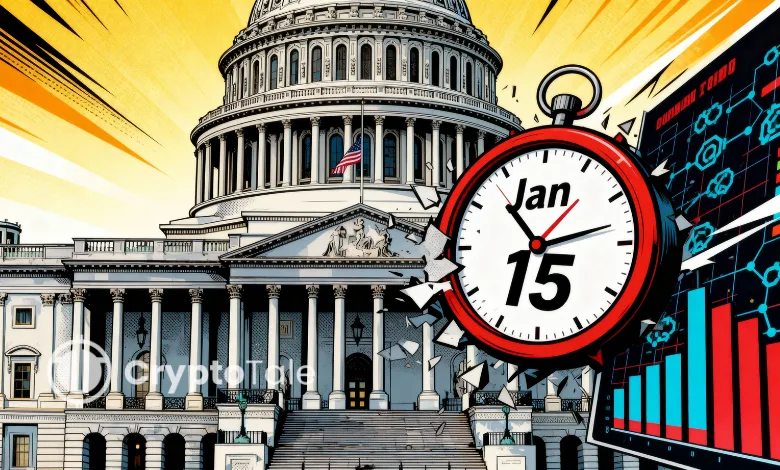
- Two Senate committees set Jan. 15 votes on crypto bills shaping U.S. market structure rules.
- Bills seek to split SEC and CFTC authority while addressing stablecoin concerns.
- Stablecoin rewards, bank concerns, and Trump ties may surface during pivotal Senate markups.
Two U.S. Senate committees will move forward next week on legislation that could reshape how digital assets are regulated nationwide. Lawmakers scheduled parallel hearings for Jan. 15, signaling renewed momentum for long-stalled crypto market structure reforms.
The Senate Agriculture Committee confirmed it will hold a markup hearing to consider its version of a sweeping crypto bill. The committee oversees the Commodity Futures Trading Commission, which plays a central role in crypto oversight. At the same time, Senate Banking Committee Chair Tim Scott said his panel plans to hold its own markup session that day.
Together, the hearings mark one of the most coordinated pushes yet to advance comprehensive crypto rules. Prolonged negotiations had been the case throughout a large part of last year, with delays occurring on several occasions due to jurisdictional issues and political lines. Now, legislators seem to be willing to see whether a consensus can finally come up.
Committees push competing frameworks forward
The draft bills aim to clarify how federal agencies regulate cryptocurrencies and related products. Both versions seek to divide authority between the CFTC and the Securities and Exchange Commission. However, they take different approaches to defining crypto assets and regulatory responsibilities.
The Senate Banking Committee proposal introduces a new legal category called “ancillary assets.” The term would help determine which tokens do not qualify as securities. Supporters say the change could provide clearer guidance for developers and exchanges.
Meanwhile, the Senate Agriculture Committee draft focuses on expanding the CFTC’s authority over digital asset markets. As of November, the text contained extensive brackets, highlighting unresolved policy questions. Those open sections suggest negotiations may intensify during the upcoming markup.
If both committees approve their bills, lawmakers would need to reconcile the differences. The combined measure would then advance to a full Senate vote. After that, attention would shift to aligning the Senate bill with the House’s Digital Asset Market Clarity Act.
Once both chambers approve a final version, the legislation could reach President Donald Trump’s desk for signature. That step would mark the first comprehensive federal framework for crypto market structure.
Stablecoins and conflicts draw scrutiny
Several sensitive issues are expected to surface during the hearings. One involves President Trump’s personal ties to the crypto sector. Bloomberg estimates Trump earned hundreds of millions from family-linked crypto ventures. Lawmakers may raise questions about conflicts of interest during the debates.
Another flashpoint centers on stablecoins, particularly yield-bearing products. Earlier last year, Congress passed a stablecoin bill known as the GENIUS Act. Banking groups now argue that gaps in the law could allow crypto firms to offer rewards programs that compete with traditional bank deposits.
In a letter sent to the Senate this week, the American Bankers Association’s Community Bankers Council urged lawmakers to tighten the rules. The group warned that unchecked stablecoin rewards could weaken local banks’ ability to lend. Banks rely on deposits to fund loans in their communities.
Related: Senate Sets High-Stakes January Clash as US Crypto Rules Reach Turning Point
Crypto industry leaders responded quickly. Coinbase Chief Policy Officer Faryar Shirzad criticized the banking industry’s stance in a post on X, saying banks oppose rewards because competition threatens existing revenue models.
Shirzad argued that preserving the GENIUS Act framework would benefit consumers. He said rewards could lower costs and expand payment choices for Americans. His comments reflect broader industry resistance to additional limits on stablecoin features.
The coming markups will test whether lawmakers address those concerns or leave them for future debate. Any amendments could shape how stablecoins integrate into the financial system.
As Jan. 15 approaches, crypto policy watchers expect intense discussions behind closed doors. The outcome could determine how quickly institutions and companies gain regulatory clarity. For now, all eyes remain on the Senate as digital asset legislation enters a decisive phase.