Tajikistan Imposes Tough Penalties on Illegal Crypto Mining

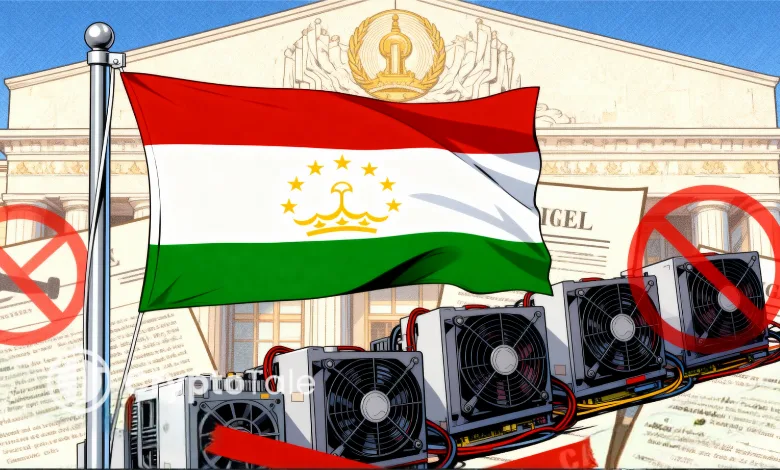
- Tajikistan enforces new criminal tiers targeting illegal crypto mining and power theft.
- Large ASIC mining setups intensify grid strain by drawing heavy loads across regions.
- Authorities report major financial losses, hardware smuggling, and widespread outages.
Tajikistan approved new criminal penalties on December 3 after lawmakers backed amendments targeting the unauthorized use of electricity for crypto mining, in response to warnings from Attorney General Khabibullo Vokhidzoda about growing power theft and regional outages.
The changes introduce Article 253(2) into the Criminal Code and set fines and jail terms for miners who tap the grid illegally. Officials said the rules follow reported losses, recent investigations, and rising pressure on the national power system.
New Criminal Penalties Target Unauthorized Mining
The new article creates three penalty tiers tied to the scale of the violation. Authorities now treat basic illegal electricity use for mining as an offense carrying fines of 15,000 to 37,000 somoni. This range reflects the first tier under the revised code. The figures align with 200 to 500 calculated indicators, which rise yearly.
The next tier increases penalties when offenders act in coordination. Groups that use stolen electricity on a large scale face fines from 37,500 to 75,000 somoni. Courts can also issue prison sentences between two and five years. This tier aims to address small mining clusters that bypass meters or connect equipment directly to grid lines.
However, lawmakers also included a third tier for large operations. Offenders face five to eight years in prison when organized groups run large farms using stolen electricity. Officials said this tier responds to recent cases involving extensive setups discovered in different regions. The cases revealed miners connecting powerful equipment to the grid without authorization.
Officials Cite Damage, Smuggling, And Grid Strain
The amendments follow rising concern inside government agencies. According to Vokhidzoda, illegal mining caused measurable losses and contributed to electricity shortages in several cities.
He reported damages totaling 32 million somoni, with multiple criminal cases now underway. His office also identified smuggling attempts, noting several incidents in which mining hardware entered the country before being linked to the grid.
Lawmakers also noted technical issues that trace back to the equipment miners use. Member of Parliament Shukhrat Ganizoda said many operations rely on ASIC devices that consume heavy loads.
Standard units draw about 3.5 kWh, while stronger models reach 5–6 kWh. Thousands of these devices operate at once in large farms. This behavior places a heavy burden on Tajikistan’s already strained network.
Ganizoda added that illegal operators often bypass meters to reduce costs. This tactic cuts expenses but intensifies the state’s losses. It also contributes to outages that affect residential users.
Because of this pattern, officials aimed to strengthen penalties and increase deterrence. The amendments also address related offenses such as tax evasion and unauthorized data encryption.
Related: Illegal Crypto Mining Causes $1.1B Power Loss in Malaysia
Energy Shortages Drive Urgent Legislative Action
The timing of the amendment links to the annual winter energy crunch. Tajikistan routinely limits electricity to some regions during colder months when demand rises. However, restrictions increased this year.
Some areas receive only two to four hours of electricity each day. Officials believe the new rules may help ease pressure on the grid by discouraging illegal consumption. The government previously tightened penalties for general electricity theft.
Current laws impose fines from 27,000 to 90,000 somoni or prison terms of three to ten years for violating usage rules. These provisions remain separate from the new article. Authorities expect both frameworks to support ongoing enforcement as they monitor the grid more closely.
The updated legislation now awaits President Emomali Rahmon’s signature and publication in state media. Once published, it will take effect. Agencies plan to coordinate investigations as winter progresses. They also intend to track the impact of the new rules on reported outages.
The enforcement push expands previous efforts to stop unregistered mining across rural districts. Police and energy inspectors have documented equipment seizures, illegal power line tapping, and improvised connections.
Meanwhile, Tajikistan’s revised criminal penalties are a direct response to power theft tied to crypto mining, documented damages, and severe winter shortages. Officials pointed to organized activity, rising equipment imports, and grid stress as drivers behind the amendment. The new article creates clear tiers of punishment that align with the reported scale of violations across the country.