India’s RBI Seeks BRICS CBDC Link as Dollar Tensions Rise

- India proposes linking BRICS CBDCs at 2026 summit to ease cross-border payments.
- Plan focuses on linking existing national CBDCs, not creating a shared BRICS currency.
- Technical, governance and dollar sensitivity hurdles may slow BRICS CBDC interoperability.
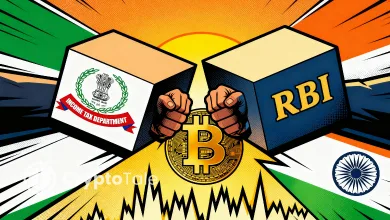
India’s central bank has asked the government to place a proposal linking BRICS digital currencies on the 2026 summit agenda, according to Reuters sources. The plan, raised in India ahead of its hosting duties later this year, involves Brazil, Russia, India, China, and South Africa. The proposal seeks easier cross-border trade and tourism payments amid rising geopolitical tension and dollar pressure.
RBI Plan Heads to BRICS Agenda
The Reserve Bank of India has recommended adding the CBDC linkage proposal to the 2026 BRICS summit agenda, sources said. India will host the summit later this year, giving New Delhi control over agenda priorities. If approved, this would mark the first formal proposal to connect BRICS central bank digital currencies.
Notably, the discussions focus on linking existing national CBDCs rather than creating a shared currency. BRICS previously rejected proposals for a common currency floated by Brazil. This narrower approach aims to improve settlement efficiency without altering monetary sovereignty.
According to Reuters, the RBI framed the idea around trade finance and tourism payments between member states. The proposal builds on earlier commitments to payment interoperability. Those commitments emerged during the 2025 BRICS summit held in Rio de Janeiro.
However, officials acknowledged significant groundwork remains before implementation discussions begin. Interoperable technology standards would require agreement among central banks with different systems. Governance frameworks and dispute resolution mechanisms would also need alignment.
Dollar Sensitivities and U.S. Warnings
The RBI proposal arrives as the United States continues warning against efforts to bypass the dollar. U.S. President Donald Trump has previously labeled BRICS “anti-American.” He has also threatened tariffs against countries attempting alternative payment systems.
Trump earlier warned of tariffs ranging from 10% to 100% if BRICS pursued major monetary shifts. These remarks resurfaced as trade tensions intensified between Washington and several BRICS members. Consequently, the RBI proposal could attract scrutiny from U.S. policymakers.
However, the RBI has publicly stated its global rupee efforts do not target de-dollarisation. Officials emphasize efficiency and cost reduction rather than currency replacement. This distinction remains central to India’s public messaging.
Meanwhile, U.S.-India trade relations remain strained. Indian shipments to the U.S. declined after Trump imposed tariffs, including penalties tied to Russian crude imports. Talks stalled last year and remain unresolved.
BRICS is back in focus as member countries look for other ways to settle payments. The group now includes newer members like the UAE, Iran, and Indonesia. Bringing in these countries makes coordination more complicated.
Related: RBI 2026 Rules Explained: What Every Indian Must Know
Technical Hurdles and CBDC Readiness
While BRICS members continue CBDC pilots, none have completed full national rollouts. India launched the e-rupee in December 2022. Since then, it has attracted about seven million retail users.
The RBI has expanded adoption through offline payments and programmable subsidies. It has also allowed fintech firms to provide digital rupee wallets. China, meanwhile, has pledged to expand international use of the digital yuan.
However, technical challenges persist across the bloc. Sources said some members hesitate to adopt platforms developed by other countries. This reluctance could slow progress toward interoperability.
To manage trade imbalances, officials are exploring bilateral foreign exchange swap arrangements. Weekly or monthly settlements could help address currency accumulation risks. Past India-Russia local currency trade efforts faced such imbalances.
Russia previously accumulated large rupee balances with limited use. The RBI later permitted investment of those balances into Indian bonds. That experience now informs current settlement planning.
India is also pushing its central bank digital currency as a safer option than private stablecoins. RBI Deputy Governor T. Rabi Sankar said CBDCs reduce risks tied to stablecoins, especially those affecting monetary stability and the role of banks.
India’s RBI proposal to link BRICS digital currencies indicates a renewed effort to institutionalize cross-border payment coordination within the bloc. The approach relies on existing national digital currency pilots. Progress now depends on agreement over technology standards, governance rules and settlement mechanisms among member states.