SBI Startale Pushes Tokenized Stocks and FX Into On-chain Trading

- SBI and Startale launched Strium to test on-chain trading for tokenized and FX assets.
- The platform supports non-stop spot and derivatives markets without direct asset
- Strium targets institutional capital markets through a permissioned blockchain design.
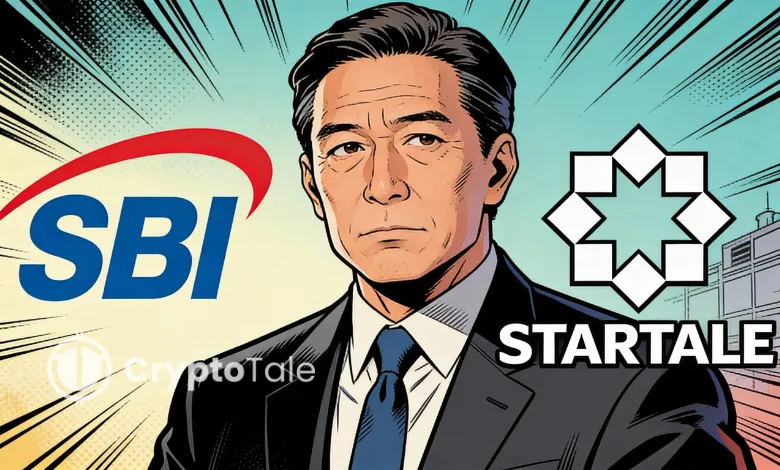
Startale Group and SBI Holdings have unveiled Strium Network, a joint venture platform aimed at building Asia’s exchange layer for tokenized securities and on-chain real-world assets. The announcement marks the first major milestone from their strategic partnership disclosed in August 2025. Strium introduces a platform vision focused on enabling trading and settlement for tokenized equities and RWA-linked instruments through a permissioned blockchain design.
The companies said a proof of concept now stands ready to demonstrate core capabilities and validate the platform’s institutional approach. The project combines SBI’s regulated financial infrastructure with Startale’s blockchain stack. Together, the partners aim to explore how traditional assets such as equities and foreign exchange can move on-chain without abandoning established institutional standards.
A Platform Built for Onchain Capital Markets
In the company’s blogpost, the partners said Strium represents a shared effort to develop a purpose-built exchange layer for tokenized securities. The design supports 24/7 spot and derivatives markets tied to equities and real-world assets.
Unlike crypto native perpetual platforms that focus on digital assets, Strium targets global capital markets through a blockchain-native exchange architecture. The platform avoids direct asset issuance or custody while aiming to support faster market formation and scalable global access.
Sota Watanabe, CEO of Startale Group, said tokenization remains an inevitable trend and described equities tokenization as the next major market. He added that Strium seeks to bridge off-chain finance and on-chain systems by enabling compliant dividend and royalty payments.
Institutional Reach and Market Structure Shift
Strium draws on SBI Holdings’ ecosystem of more than 80 million customers and its experience across securities, banking, and financial services. This positions the platform to connect institutional demand with professional trading activity and real-world market participation.
Startale Group said recent developments show growing momentum toward on-chain trading, real-time settlement, tokenized shareholder rights, and on-chain RWAs. In response, Strium enables securities-linked spot and derivatives markets that operate beyond traditional banking hours.
The platform enables ongoing trading operations through its native on-chain mechanisms, which provide accelerated price discovery and support expandable liquidity. The current system design demonstrates a general trend that enables trading systems to operate independently from traditional asset issuance restrictions while still connected to current financial networks.
Technical Roadmap and Regulatory Path
The current proof-of-concept phase focuses on settlement efficiency, system resilience under heavy transaction loads, and interoperability with both legacy systems and other blockchains. A public testnet stands as the next planned step toward commercial deployment.
Watanabe said SBI Holdings brings regulated infrastructure and multiple licensed entities into the venture. He noted prior participation by group companies in regulated digital asset initiatives, including a planned yen stablecoin structure involving Shinsei Trust & Banking and SBI VC Trade.
Related: SBI and Startale Plan Regulated Yen Stablecoin for 2026
He added that discussions with regulators, including in Japan, will take place as the project expands into individual markets. While no commercial launch date has been announced, the developers continue to prepare public testnets to refine scalability and compliance workflows.
Strium positions itself as the core exchange layer for Asia’s on-chain securities market, with an architecture designed to support future participation by AI agents executing strategies directly on-chain. Can regulated blockchain infrastructure support tokenized equities and FX at institutional scale without sacrificing control, transparency, and regulatory assurance?